Miriam Davoudvandi
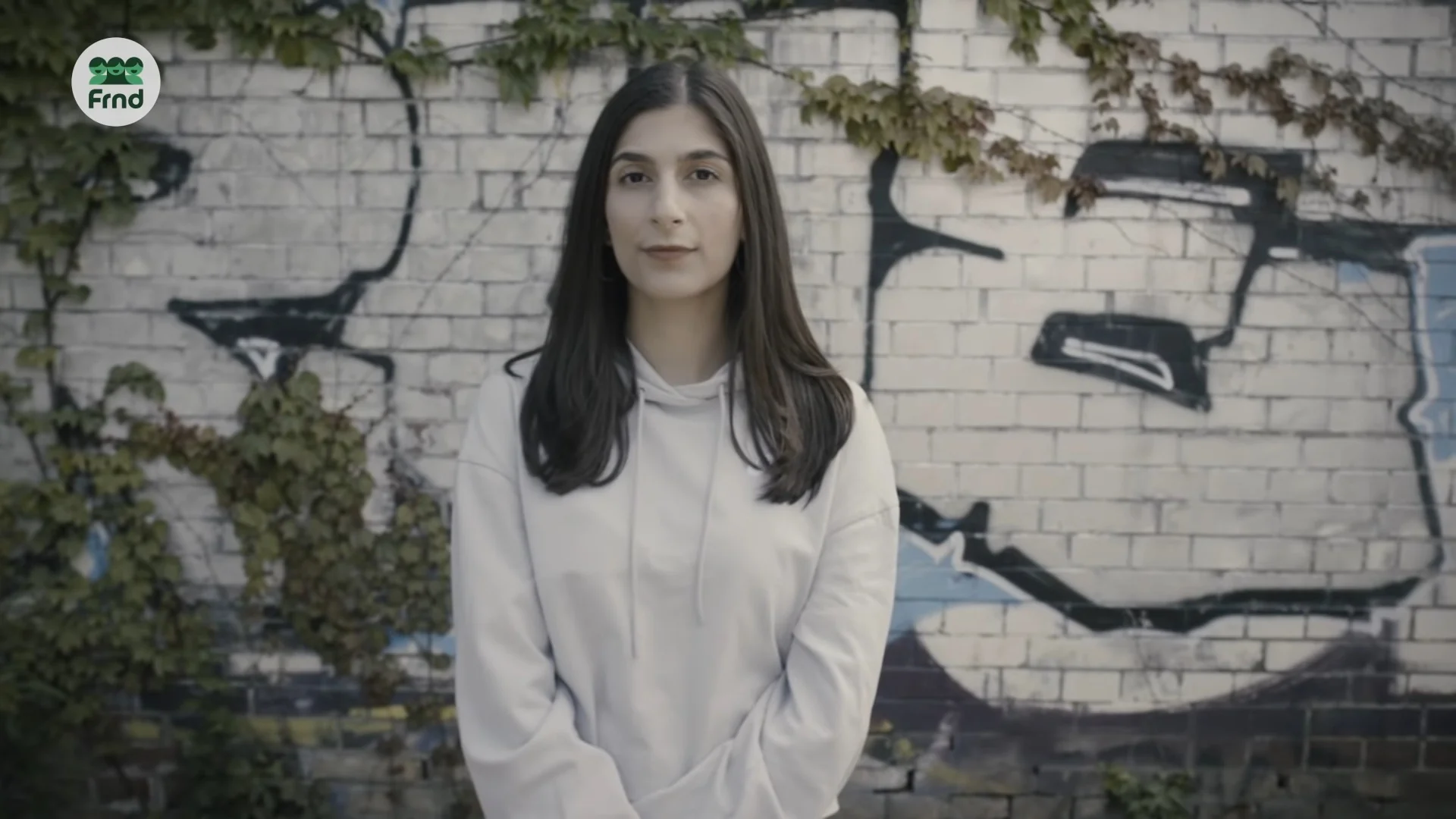
Image from Wikipedia
Image from Wikipedia
Miriam Davoudvandi: The Distinctive Voice Between Music Journalism, Pop Culture, and Social Reality
An Author, Moderator, and DJ with a Clear Cultural Profile
Miriam Davoudvandi is one of the most distinctive voices in German music journalism. As a freelance journalist, moderator, podcaster, and author, she combines pop criticism with social analysis and a personal narrative style that is rarely executed so consistently in the German media landscape. Born in 1992 in Bucharest and raised in southern Germany, she brings biographical experience, cultural complexity, and a keen sense of language to her work. Her profile extends far beyond classical music reporting, making her a relevant observer of pop culture, mental health, and social backgrounds.
Biographical Roots and Early Influences
Davoudvandi was born in 1992 in Bucharest as the daughter of a Romanian mother and an Iranian father and grew up in a small town in southern Germany. This background forms an essential resonance space for her later work, as she addresses perspectives of migration, social mobility, and inequality not abstractly, but from personal experience. In her public appearances and writing, she explores themes that many biographies in the German pop discourse have long overlooked. For her, identity does not become folklore but serves as an analytical tool.
Her engagement with depression and mental health is particularly formative. In interviews, she has described being severely depressed as a teenager and waiting a long time for a diagnosis. This biographical depth influences her journalistic style: she speaks not only about music but also about its emotional and social functions. This is precisely where the quality of her approach lies, intertwining pop, psyche, and social reality.
From Music Journalism to Influential Pop Analyst
Davoudvandi has worked as a freelance journalist for various publications, including Das Wetter, Juice, Spex, and Backspin, and has made a name for herself especially within the German rap scene. The Reeperbahn Festival's page for the International Music Journalism Award describes her in 2020 as a freelance music journalist with a presence across genres, referring to her essays and multimedia works. In the German media landscape, she is regarded as one of the most prominent voices when it comes to rap, feminism, mental health, and language. Her perspective is neither detached nor didactic but closely aligned with the cultural codes of the scene.
Winning the International Music Journalism Award in 2020 as "Music Journalist of the Year" marks a significant point in her career. The jury noted that Davoudvandi consistently appeared in submissions and impressed with her versatility. This award demonstrates that her work is recognized not only within the scene but also holds institutional significance. She exemplifies a new generation of music journalism that combines stance, expertise, and societal relevance.
Rap, Feminism, and Mental Health as Core Journalistic Fields
A central component of her work is the connection between rap culture and social reflection. In a portrait, it was noted that she can communicate particularly well with rappers about mental health and depression because she knows these experiences firsthand. This creates a journalistic approach that views interviews not merely as PR formats but as spaces for differentiation and empathy. Davoudvandi has established a tone that stands out in the often male-coded rap reporting.
Philipp Bovermann's assessment in the Süddeutsche Zeitung, which refers to her as one of the most important voices of a new feminist and critical public within the rap scene, further underscores her authority. Her work merges analysis and positioning without flattening the cultural complexity of her subjects. This balance between critical distance and cultural proximity makes her writing and discussions readily connectable. She writes not about pop from the outside but rather from an internal perspective and with a clear editorial stance.
“Danke, gut”: Podcast as an Intimate Space for Reflection
A central format in her media presence is the WDR-COSMO podcast “Danke, gut,” in which she discusses pop and psyche with guests. The podcast expands music journalism by adding a psychological and socio-political dimension and addresses topics such as mental health, biographical burdens, and cultural self-location. The conversations showcase Davoudvandi as a host who listens, sharpens discussions, and does not let topics become stale slogans. This is where her strength as a moderator unfolds: she creates a tone that remains informative, personal, and reflective.
This openness is also visible in her other formats. The Gorki Theater described her series as engaging in discussions with guests from music, social media, and culture about texts that have influenced their creative processes. This spans from children's books to bell hooks, from pop cultural memory to political theory. Davoudvandi utilizes such formats to convey cultural education in a lively and accessible manner rather than an academic one. This gives her work a unique aesthetic and social reach.
Current Projects: Book, Stage, and Literary Publicity
In 2026, her first non-fiction book titled “Das können wir uns nicht leisten. Was es bedeutet, in Deutschland arm zu sein” will be published by btb. The publisher describes the work as a personal, socially precise examination of poverty, social mobility, shame, dating, health, family, and psyche. The book begins with her own biography and develops a larger societal narrative about class background in Germany. Thus, Davoudvandi expands her profile from music journalism to a literary author with a socio-political focus.
She is also present on stage: readings and performances surrounding the Leipzig Book Fair and a tour are planned for 2026. The format is described as a live show featuring texts, personal stories, humor, and pop cultural analyses. Nostalgia from the 1990s and 2000s, as well as rap and political context, also play a role. Davoudvandi translates her themes into a stage format that combines journalistic content with performance.
Discography, Publications, and Cultural Resonance
In a narrower sense, Miriam Davoudvandi does not possess a classic discography as a musician with albums or singles. Her artistic production lies primarily in journalistic texts, podcasts, moderations, live formats, and now also in her non-fiction book. This form of publication profile is highly relevant in today's digital culture, as it generates discursive impact without being bound to the traditional album format. Her work functions as a modern, media-based discography of the themes she consistently engages with.
Her cultural resonance stems from multiple levels: awards such as the IMJA, her role as a voice in the rap discourse, her presence at festivals and panels, as well as her work at the intersection of pop, mental health, and social background. The music magazine and cultural environment perceive her as an authority because she combines journalistic precision with personal credibility. This blend of analysis, stance, and experience makes her a relevant figure in contemporary German-language cultural journalism.
Style, Language, and Impact
Davoudvandi's style is direct, reflective, and closely attuned to the sound of the present. She employs a vocabulary influenced by rap, pop criticism, political analysis, and everyday observation. As a result, her texts and conversations avoid academic detachment, remaining rhythmic, pointed, and comprehensible. Her strength lies in her ability to translate complex topics into a language that resonates both with specialist audiences and broader cultural enthusiasts.
Her stage presence and moderation follow the same principle: no over-dramatization but clear contours. She navigates themes without stripping them of their contradictions, thereby building trust. This trust is particularly valuable in music journalism, as it forms the basis for serious discussions about pop culture, identity, and mental challenges. Davoudvandi thus represents a form of authority that emerges not from distance but from accuracy and personal credibility.
Cultural Influence and Positioning
In the German-speaking culture, Miriam Davoudvandi has left her mark especially where music, politics, and social experience intersect. She has helped to make rap a space for serious societal negotiation without simplifying its cultural codes. At the same time, she brings topics such as depression, social mobility, poverty, and feminist critique into a discourse long dominated by male and normative narratives. Her work shifts the perspective on pop culture towards social reality.
As such, she belongs to those voices that renew contemporary music journalism. It is not merely about discussing releases but rather about what music tells us about identity, emotion, and social power relations. Davoudvandi articulates these questions with clarity and empathy. This is precisely where her lasting significance arises.
Conclusion: A Voice That Connects Pop with Societal Truths
Miriam Davoudvandi is compelling because she combines music journalism, pop criticism, and social self-reflection in an exceptionally coherent manner. Her work demonstrates how closely artistic development, cultural influence, and personal experience can be intertwined. Those who want to understand how contemporary pop culture can be read beyond mere entertainment will find in her a precise, credible, and distinctive voice. A live performance or reading with her promises not just information, but also attitude, pace, and intellectual friction.
Official Channels of Miriam Davoudvandi:
- Instagram: No official profile found
- Facebook: No official profile found
- YouTube: No official profile found
- Spotify: No official profile found
- TikTok: No official profile found
Sources:
- Wikipedia – Miriam Davoudvandi
- Penguin Random House / btb – Miriam Davoudvandi
- Penguin Random House / btb – Das können wir uns nicht leisten
- International Music Journalism Award – Winners 2020
- Ullstein – Miriam Davoudvandi
- Halbe Katoffl – Miriam Davoudvandi (ROU/IRN)
- re:publica – Miriam Davoudvandi
- About Pop Festival – Miriam Davoudvandi
- Rausgegangen – Das können wir uns nicht leisten Tour 2026
Upcoming Events
Miriam Davoudvandi reads – We cannot afford this Potsdam 2026
Last Squad Standing – The Ultimate Team Quiz Competition
Reading and Thinking Space with Miriam Davoudvandi
Miriam Davoudvandi – We Can't Afford This – Tour 2026
Miriam Davoudvandi reads in Schwerin: We cannot afford this
WE CANNOT AFFORD THIS – Reading with Miriam Davoudvandi