
Mundstuhl
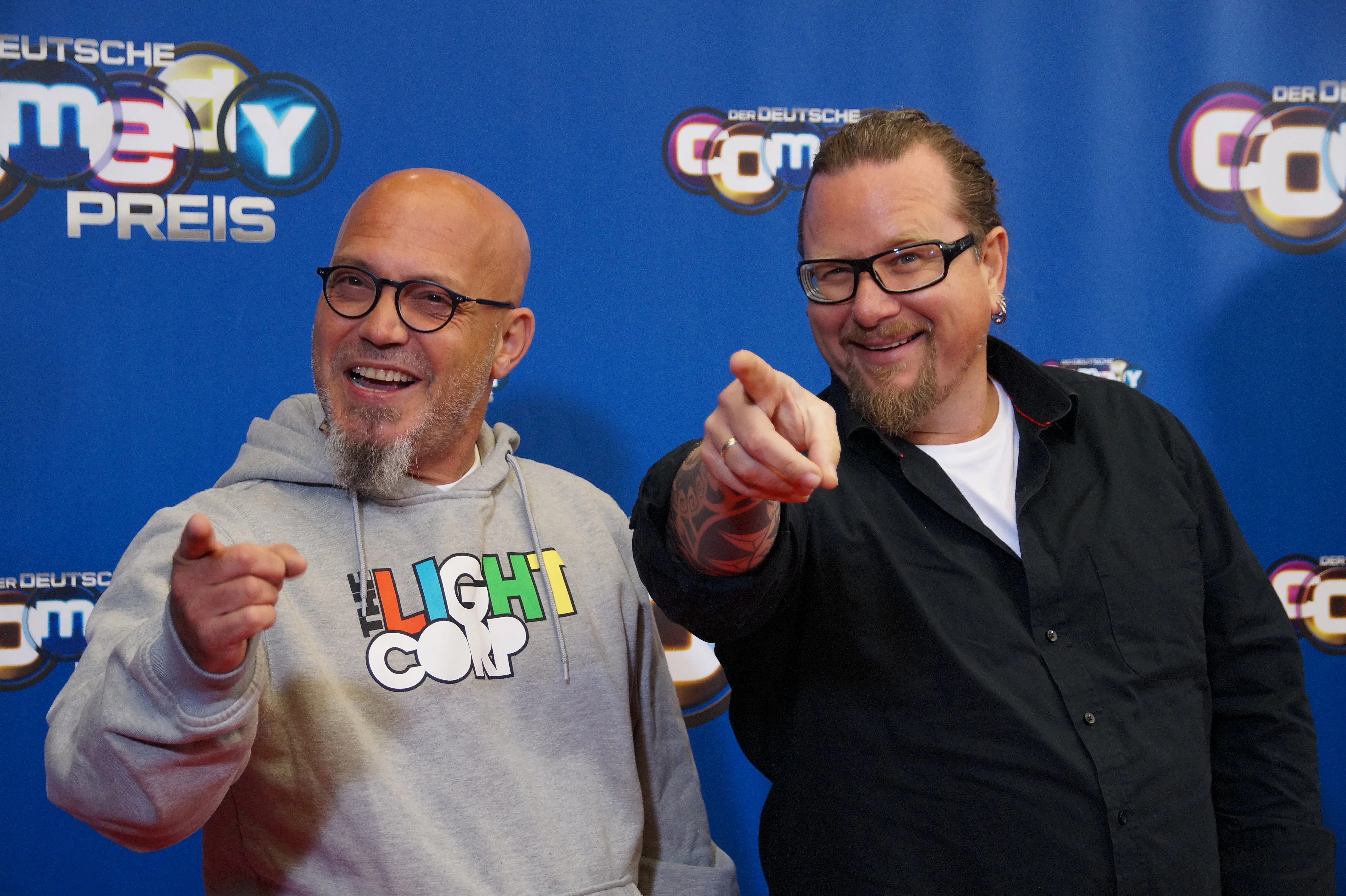
Image from Wikipedia
Image from Wikipedia
Mundstuhl: The Frankfurt Comedy Duo with Cult Status, Kiezdeutsch, and Satirical Impact
A duo that has made a brand out of language, timing, and stage presence
Mundstuhl has been one of the most notable names in the German comedy scene since the late 1990s. The duo from Frankfurt am Main consists of Lars Niedereichholz and Ande Werner, and they became particularly well-known through their Kiezdeutsch-speaking characters Dragan and Alder. From a local stage project, a lasting live and media career developed, which still thrives today on pointed observation, strong stage presence, and high recognizability.
What characterizes Mundstuhl is the combination of character comedy, music-infused formats, and a knack for societal friction points. Their performances, albums, and TV presence showcase a duo that confidently combines slapstick, wordplay, and pop culture. This very blend has made Mundstuhl a fixed reference point for comedy fans who are looking for not just short gags but a clearly recognizable artistic signature.
The beginnings in Frankfurt: Radio, stage, and early outreach
The career of Mundstuhl began in Frankfurt am Main and was early on accompanied by regional media work. Between September 1997 and mid-1998, the duo hosted a weekly show in the afternoon program of Radio X. This early phase laid the groundwork for their timing, their handling of language, and the development of a stage persona that later functioned on larger platforms.
Even in these early years, the duo's strength was evident in the condensation of everyday observations, character comedy, and deliberately exaggerated language. Mundstuhl worked on characters that not only convey punchlines but evoke an entire milieu. This was precisely the difference from mere sketch entertainment: the characters became recognizable brands within the German comedy cosmos.
The breakthrough with Dragan and Alder
Mundstuhl achieved lasting success with the characters Dragan and Alder, who became the duo's trademark through their Kiezdeutsch. These characters struck a chord during a time when language codes, social classes, and youth cultural attributions came into sharper public focus. Mundstuhl utilized the material not merely as parody but as a satirical elevation of urban everyday life.
The characters worked with rhythm, dialectical nuances, and calculated exaggeration. This created a distinct comic aesthetic that has endured over the years. The fact that Mundstuhl is still identified with these roles today demonstrates how deeply rooted the characters are in German comedy.
Television, shows, and media presence
On screen, Mundstuhl appeared in numerous formats. The duo participated in chart shows, made guest appearances on Bernd das Brot, and was featured in various TV total sports events, as well as Schlag den Star. This was complemented by performances in the ProSieben improvisational show Gott sei dank, dass Sie da sind! and other outings in entertainment television.
In 2007, Mundstuhl even received their own 30-minute show on Comedy Central Germany. This television presence underscores how strongly the duo was perceived as an entertainment brand. Mundstuhl operated between stage programs, TV entertainment, and a popular understanding of humor that emphasized broad accessibility while maintaining their own stylistic identity.
Musical releases and discography
Although Mundstuhl is primarily known as a comedy duo, music plays a central role in their discography. The releases range from studio albums to singles and live formats, showing a clear evolution from early stage material to more refined programs. Among the mentioned album releases are Nur vom Allerfeinsten, Deluxe, Heul Doch, Könige der Nacht, Alles inklusive, and Höchststrafe!.
Individual songs also became key identifiers in their career. The single Wurstwasser was released in 2000 and referenced the then-popular metal context as a RAMMSTEIN parody. In 2002, Mundstuhl participated in the German preliminary round for the Eurovision Song Contest in Tallinn with the title Fleisch, finishing eleventh out of 15 participants. For the 2006 FIFA World Cup, they released Germans, a cover version of Bob Marley's Jammin’, which used Denglisch and satire.
Later in the discography, live and special formats emerge, including Mütze-Glatze! Simply The Pest (Live) and the EP Dragan & Alder Weihnachtsmedley. Recent formats like Fleisch – Single, Adler auf der Brust (Aufstiegsedition) – EP, and Mütze-Glatze! Simply The Pest (Live) are also listed on Apple Music. This range shows that Mundstuhl does not solely rely on stage programs but continually translates their comedy into musical or semi-musical release forms.
Style, language, and comedic method
The style of Mundstuhl is based on exaggeration, pace, and precise control of language melody. The characters function because they are defined not just by content, but by sound, cadence, and role behavior. Kiezdeutsch, dialect coloring, and pop culture references combine to create a comedic code that remains quickly recognizable.
From a music journalism perspective, it can be said: Mundstuhl works with a sense of rhythm, almost like a performance group. Pauses, repetitions, and the interplay between the two voices create a unique dramaturgy. The duo masters the art of transforming social observation into performative energy, and this is precisely what creates the stage effect.
Cultural influence and resonance
Mundstuhl has established itself as a firm reference model in German pop and comedy culture. The duo not only appears in retrospectives of the comedy of the 2000s but remains part of collective memory due to their characters and media presence. Especially Dragan and Alder represent a form of character humor that has been recognized, quoted, and imitated for years.
The discography also shows cultural relevance: chart placements and recurring releases have made it clear that Mundstuhl functions not only live but also as a recording and TV brand. In a scene where many comedy acts remain short-lived, Mundstuhl represents continuity, recognizability, and the ability to appeal to audiences across generations.
Current activities and tour presence
The duo's current work shows that Mundstuhl continues to be active on stage. The official website announces the new program Wir kommen an and documents numerous dates for 2025, 2026, and beyond. This means that the live career remains a central part of their artistic identity.
This continuity is crucial for Mundstuhl's profile. The duo is not just a nostalgic name from the early 2000s but an actively ongoing stage project with current touring activity. For a comedy duo, this endurance is a strong quality feature, as it shows that their material continues to engage live audiences.
Why Mundstuhl remains exciting to this day
Mundstuhl combines character comedy, wordplay, and stage routine into a distinctive German comedy signature. The duo has created a recognizability that has remained stable across radio, television, recordings, and live shows. Those who experience Mundstuhl do not see a fleeting revue but a comedic system that has developed over the years.
This mixture of experience, precision, and pop culture intelligence is what makes Mundstuhl interesting. The duo has proven that comedy works longest when it has a clear form, strong characters, and a polished performance. Live, this art unfolds its full power – a performance by Mundstuhl remains a rewarding experience for fans of German stage comedy.
Official channels of Mundstuhl:
- Instagram: https://www.instagram.com/mundstuhl_official/
- Facebook: https://www.facebook.com/Mundstuhl.de
- YouTube: https://www.youtube.com/channel/UCIpwHu_kVoeZ10h0xCwrxWA
- Spotify: No official profile found
- TikTok: No official profile found
Sources:
Upcoming Events
Mundstuhl - WE'RE COMING
Mundstuhl - We're Coming
Mundstuhl - We Are Coming
Mundstuhl - We are coming
Mundstuhl