
Ole Bischof
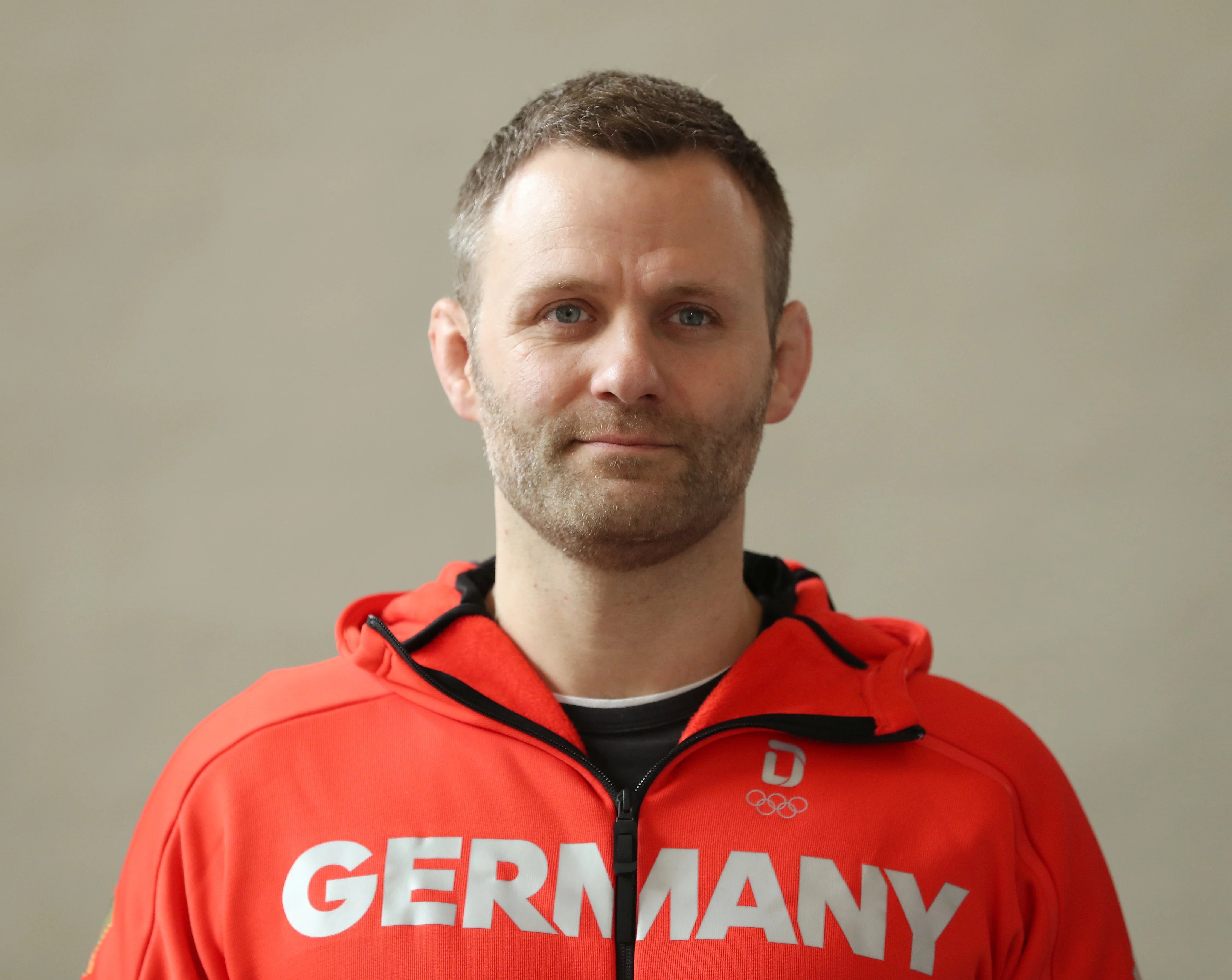
Image from Wikipedia
Image from Wikipedia
Ole Bischof – The Olympic Champion Who Gave German Judo a Face
From Talent in Reutlingen to Champion of Beijing: The Career of an Exceptional Judoka
Ole Bischof, born on August 27, 1979, in Reutlingen, is one of the most influential German judokas of his generation. His career stands for discipline, tactical maturity, and the rare combination of patience and determination that decides medals in high-performance sports. With his Olympic victory in 2008 in Beijing, the technically skilled fighter became a national sports figure. ([de.wikipedia.org](https://de.wikipedia.org/wiki/Ole_Bischof))
Background and Early Years: A Path That Took Shape Early
Bischof started judo in 1992 at TSG Reutlingen, at a time when many athletes were still searching for their sporting language. His development was focused from an early age: at 18 years old, he became the German champion in the U20 category, and by 2001, he had already secured the national title among men. This rapid ascent to the top not only shows talent but also the clarity of an athlete who understood the weight of his weight class early on. ([de.wikipedia.org](https://de.wikipedia.org/wiki/Ole_Bischof))
His sporting environment was just as formative as his personal efforts. His father, Gunter Bischof, was also a successful judoka and active as a national instructor in the German Judo Federation, which strengthened the family connection to the martial arts culture. Additionally, he worked with Frank Wieneke, the Olympic champion from 1984, who coached Bischof and continued a classic line of German judo excellence. ([de.wikipedia.org](https://de.wikipedia.org/wiki/Ole_Bischof))
The Breakthrough on the International Stage
After his national successes, Bischof established himself internationally as a constant. In 2005, he won the European Championship in Rotterdam, after already securing silver in Bucharest in 2004. In the following years, he remained among Europe's elite, even though not every season ended with a podium finish. This mix of stability and occasional setbacks is what characterizes a long-term successful career in judo. ([teamdeutschland.de](https://www.teamdeutschland.de/team/details/ole-bischof))
Since 2001, he also competed for TSV Abensberg in team competitions. With this team, he became German team champion multiple times and won the European Cup in 2006. The team experience was more than just a side track: it sharpened Bischof’s competitive rhythm and kept him in an environment consistently aimed at peak performance. ([de.wikipedia.org](https://de.wikipedia.org/wiki/Ole_Bischof))
Beijing 2008: The Golden Moment
The Olympic victory in Beijing marked the pinnacle of his career. Competing in the 81-kilogram category, Bischof defeated strong opponents like Tiago Camilo and Roman Gontyuk, ultimately besting South Korea's Kim Jae-Beom in the final with a Yuko. Olympedia described the class as "fairly wide-open" and emphasized that Bischof entered the tournament with strong form as the 2005 European champion. ([olympedia.org](https://www.olympedia.org/results/260363?id=260781))
This victory held significance far beyond the results table. It made Bischof an Olympic champion in a rich tradition of German judo history and confirmed a career that was based on precision, calmness, and competitive toughness. In public perception, he gained a profile shaped not only by success but also by credibility. ([laureus.de](https://www.laureus.de/alle-botschafter/botschafter/ole-bischof))
London 2012: Silver as a Sign of Consistency
Four years later, Bischof returned to the Olympic stage and won silver in London. In the final, he faced Kim Jae-Beom once more and was defeated after a highly competitive match. Bischof's ability to reach the final duel again after his Olympic triumph in 2008 underlines his extraordinary longevity at the top. ([olympedia.org](https://www.olympedia.org/editions/54/medal))
With this result, he crowned a career that was not characterized by a single spike in performance but by sustained presence at a world-class level. Along with the world championship bronze in 2009 and European championship bronze in 2011, this paints the picture of an athlete who remained anchored in the absolute elite for almost a decade. This is where the special authority of his career lies. ([teamdeutschland.de](https://www.teamdeutschland.de/team/details/ole-bischof))
Achievements, Titles, and Sporting Substance
Ole Bischof's results list shows remarkable depth. In addition to Olympic gold in 2008 and silver in 2012, he has the European Championship title from 2005, European silver in 2004, world championship bronze in 2009, and European bronze in 2011. His victory at the 2003 Universiade also ranks among the important early achievements of an athlete who gradually and sustainably developed his skills. ([teamdeutschland.de](https://www.teamdeutschland.de/team/details/ole-bischof))
In addition to these titles, he was voted "most valuable fighter" by fans in 2005 and 2008, according to Wikipedia. The official website describes him as Germany's most successful martial artist at the Olympic Games in 2008 and 2012, and also references 18 medals at Grand Slams and World Cups. These details illustrate a picture of sporting density that goes beyond individual major events. ([de.wikipedia.org](https://de.wikipedia.org/wiki/Ole_Bischof))
Technique, Style, and Sporting Charisma
In judo, success comes from timing, gripping techniques, balance, and the ability to make the right decision under pressure. Bischof embodied these qualities: a controlled fighter who often won matches through structure, patience, and precise execution. His Olympic victories and final appearances prove that he operated at the highest tactical level, not only physically but also strategically, in crucial moments. ([olympedia.org](https://www.olympedia.org/results/260363?id=260781))
His sporting reputation was also fed by consistency and credibility. The Laureus Foundation describes his career as extremely successful; the official website calls him an athlete who stands for fighting spirit, performance, and perseverance. This combination of outcomes, attitude, and public perception makes him an authoritative figure in German judo. ([laureus.de](https://www.laureus.de/alle-botschafter/botschafter/ole-bischof))
After the Mat: Role as a Role Model, Speaker, and Ambassador
In September 2012, Ole Bischof ended his sports career. Since then, he has worked, among other things, as a consultant at PricewaterhouseCoopers and later took on lectures and public appearances where he shared experiences from high-performance sports. The official website describes him as a speaker who conveys performance thinking, stress resistance, and team culture in companies and events. ([de.wikipedia.org](https://de.wikipedia.org/wiki/Ole_Bischof))
Additionally, his social engagement is evident: the silver laurel leaf, his ambassador role for Laureus, and his work on the presidency of the German Olympic Sports Confederation demonstrate that his significance did not end with his last fight. Bischof embodies a career that combines sporting excellence with responsibility. This gives his biography the depth that a mere medal statistic cannot reflect. ([olebischof.de](https://olebischof.de/about-me/?utm_source=openai))
Conclusion: Why Ole Bischof Continues to Fascinate
Ole Bischof remains compelling because his story encompasses everything that great elite sports entail: early development, tough selection decisions, an Olympic highlight, and the ability to bounce back after setbacks. His career speaks of technical class, mental strength, and a rare consistency at the international level. Anyone wishing to experience judo in its entirety will find in Bischof a role model that continues to set standards to this day. ([de.wikipedia.org](https://de.wikipedia.org/wiki/Ole_Bischof))
His appearances as a speaker and judo expert also show that his energy has not vanished but has transitioned into new forms. This is why it is worthwhile to experience Ole Bischof live: not only as an Olympic champion but as a personality who convincingly embodies performance, attitude, and experience. ([olebischof.de](https://olebischof.de/speaker/))
Official Channels of Ole Bischof:
- Instagram: no official profile found
- Facebook: no official profile found
- YouTube: no official profile found
- Spotify: no official profile found
- TikTok: no official profile found
Sources:
- The official website of Olympic champion Ole Bischof - official website
- About me - The official website of Olympic champion Ole Bischof - official website
- Speaker - The official website of Olympic champion Ole Bischof - official website
- Ole Bischof | Laureus Foundation - Ambassador profile
- Ole Bischof | Team Deutschland - Athlete profile
- Olympedia – Half-Middleweight (≤81 kilograms), Men - Olympic final 2008
- Olympedia – Medal winners London 2012 - Olympic medal 2012
- Wikipedia: Ole Bischof - Image and text source