
Purple Schulz
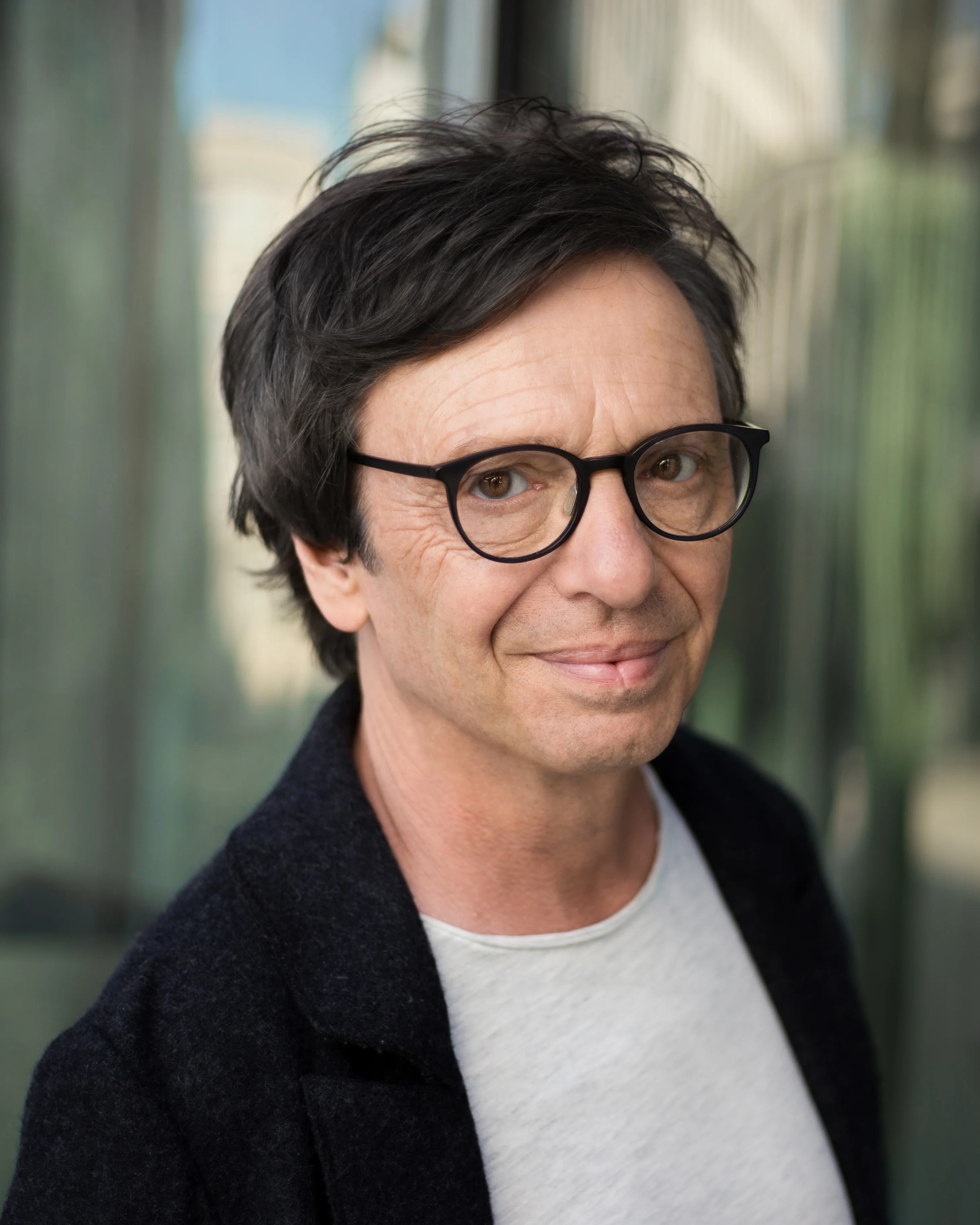
Image from Wikipedia
Image from Wikipedia
Purple Schulz: The Poet of German Pop Between Longing, Attitude, and Stage Presence
An Artist Portrait Full of Emotion, Precision, and Musical Independence
Purple Schulz, born on September 25, 1956, in Cologne as Rüdiger Schulz, is one of the defining voices of German pop in the 1980s and 1990s. As a singer, songwriter, multi-instrumentalist, and radio host, he blends pop, chanson, protest song, and narrative songwriting into a distinctive artistic identity. His name continues to be closely associated with songs that resonate far beyond their time of creation and have shaped German music history. ([de.wikipedia.org](https://de.wikipedia.org/wiki/Purple_Schulz))
His music career is a story of consistent evolution: from an early band musician to his breakthrough in the Neue Deutsche Welle, and eventually to a mature live artist with literary aspirations, social consciousness, and a powerful stage presence. Notably, Purple Schulz has maintained a remarkable balance between popularity and artistic seriousness over the decades. This blend of catchy melody, emotional directness, and social stance keeps him intriguing for music lovers to this day. ([purpleschulz.de](https://www.purpleschulz.de/biografie/))
The Beginnings in Cologne: D’Accord, Neue Heimat, and the Path to His Own Voice
Purple Schulz's roots date back to the early 1970s when he made his first stage appearances with D’Accord and began to make a name for himself in the Cologne area. From these early experiences grew a professional musicality that would later shape his solo career. Even then, the allure of performing was not solely at the forefront, but also the desire to write songs with character and substance. ([deutsche-mugge.de](https://www.deutsche-mugge.de/interpreten/interviews/archiv/41-2009/1796-purple-schulz.html?utm_source=openai))
In 1981, during the Neue Deutsche Welle, the band Neue Heimat was formed, from which Purple Schulz emerged as the name of the later formation following personnel and creative upheavals. The early repertoire developed in an environment where pop, rock, and NDW closely coexisted. After initially moderately successful albums like Die Härte and Hautnah, the project evolved further and laid the groundwork for later breakthrough success. ([de.wikipedia.org](https://de.wikipedia.org/wiki/Purple_Schulz))
The Breakthrough with “Sehnsucht”: A Song Becomes a Generational Experience
The decisive career boost came in 1984/1985 with the single “Sehnsucht,” which reached number six in Germany and Switzerland, and number 20 in Austria, earning a Goldene Europa award. The song became the signature of an artist who articulates large emotions not clumsily, but with linguistic precision and musical densification. The title was also prominently featured in airplay charts, introducing Purple Schulz to a wide audience. ([de.wikipedia.org](https://de.wikipedia.org/wiki/Purple_Schulz))
“Sehnsucht” remained more than just a hit of the 1980s; it evolved into a lasting focal point of his work. Purple Schulz himself describes the song as a permanent highlight of his concerts, and even in later reinterpretations, its emotional weight has remained intact. The combination of a vulnerable voice, clear dramaturgy, and poetic text is a central characteristic of his art and explains why the song is still anchored in collective memory today. ([purpleschulz.de](https://www.purpleschulz.de/))
Discography: From NDW Success to Mature Authorial Work
Purple Schulz's body of work includes 16 albums to date, as per his official biography, demonstrating a remarkable stylistic range. Key milestones include Hautnah (1983), Verliebte Jungs (1985), Der Stand der Dinge (1987), ’tsvai (1988), Purple Schulz (1990), Haha (1992), and Pop (1997). His later phase is marked by Sehnsucht – Die Balladen (1999), Programmänderung (2003), So und nicht anders (2012), Der Sing des Lebens (2017), Nach Wie Vor (2019), and the live double album Sehnsucht bleibt live (2025). ([purpleschulz.de](https://www.purpleschulz.de/biografie/))
The official discography shows that Purple Schulz continuously re-sorts, contextualizes, and reflects on his material in live settings. Particularly, the releases from 2012 mark a phase where he first appeared as a producer and worked closely with his wife Eri on the lyrics. This collaboration has enhanced the personal dimension of his later work and given the albums a more mature, intimate tone. ([purpleschulz.de](https://www.purpleschulz.de/biografie/))
Current Projects: New Live Album, Tour 2026, and Artistic Flexibility
One of his current projects is Sehnsucht bleibt live, released in 2025 as an unedited recording of the 2024 tour. The official website describes the double album as an exhilarating live recording featuring hits from the past, as well as new and previously unreleased songs, skillfully accompanied by Jördis Tielsch on violin, guitar, accordion, and vocals. The album was released exclusively through JPC and temporarily reached number 1 on the JPC CD charts. ([purpleschulz.de](https://www.purpleschulz.de/?utm_source=openai))
For 2026, the tour “ICH HAB NICHT EWIG ZEIT – DIE TOUR ZUM SIEBZIGSTEN” has been announced, which brings Purple Schulz to the stage in celebration of his 70th birthday. According to the official website, he consciously remains active and focuses on a program that is intended not as a nostalgic retrospective, but as a vibrant counterpoint to stagnation. The announcements depict an artist who does not manage his music career, but rather continues to develop it. ([purpleschulz.de](https://www.purpleschulz.de/?utm_source=openai))
Style and Sound: Between Pop, Chanson, Chamber Music, and Protest
Musically, Purple Schulz has always oscillated between pop, poetic balladry, and densely written dramaturgical songwriting. The official website emphasizes that an evening with him is a blend of concert and cabaret, poetry and protest song. This hybrid form makes his work particularly unique in the German music canon: he views songs not only as entertainment but as narrative forms with attitude and inner tension. ([purpleschulz.de](https://www.purpleschulz.de/))
He also remains open to new instrumental colors. Since 2020, he has played a 24-string Harpejji, making him, according to the official biography, the only German artist currently singing on stage with this instrument. This decision reflects a remarkable willingness to expand his sound, which shapes his artistic development well into old age. ([purpleschulz.de](https://www.purpleschulz.de/biografie/))
Social Responsibility and Cultural Relevance
A significant part of Purple Schulz’s authority stems from his social stance. Since the beginning of his career, he has been committed to charitable projects, especially in the fields of nursing and dementia, and has been a member of the board of the Deutsche Alzheimer Stiftung since 2017. His song “Fragezeichen” is reportedly even used in the training of nursing students and showcased at conferences on dementia and Alzheimer’s. ([purpleschulz.de](https://www.purpleschulz.de/biografie/))
This dimension expands the image of the pop artist to a social level that extends beyond chart successes. Purple Schulz is thus perceived not only as an interpreter of hits but as an artist whose lyrics and videos spark concrete discussions about illness, empathy, and human dignity. Particularly in the interplay of music, text, and social context, his work unfolds cultural depth. ([purpleschulz.de](https://www.purpleschulz.de/biografie/))
Collaboration, Live History, and the Power of the Stage
His live career is rich in remarkable stations. Purple Schulz has performed at major festivals, appeared with artists like Zucchero and Status Quo as part of the Night of the Proms, was a special guest at “Pur & Friends,” and toured with Heinz Rudolf Kunze with the program “Gemeinsame Sache.” These constellations show that he is appreciated as a credible stage partner in various musical contexts. ([purpleschulz.de](https://www.purpleschulz.de/biografie/))
His concerts from recent years further confirm this strength. The official website describes the 2024 tour as particularly fulfilling, with an audience that left the evenings visibly touched. In this blend of intimacy, precision, and emotional directness lies the essence of his stage presence: Purple Schulz doesn't just sing songs; he tells life moments. ([purpleschulz.de](https://www.purpleschulz.de/))
Conclusion: An Artist with Attitude, Heart, and Lasting Radiance
Purple Schulz remains intriguing because he has shown for decades how pop music can be both personal, poetic, and socially relevant. He has written hits that have endured, while simultaneously building a body of work that reaches far beyond nostalgic retrospection. His music career connects German pop history, unique compositions, social responsibility, and a distinctive voice into a profile that is easily recognizable. ([purpleschulz.de](https://www.purpleschulz.de/biografie/))
Anyone who experiences him live encounters not just a mere nostalgia program, but an artist who continues to think forward with his songs and fills his stage with life. This is precisely where the special fascination lies: Purple Schulz stands for music that touches, challenges, and endures. A concert with him is therefore not only highly recommended but an experience that music lovers should not miss. ([purpleschulz.de](https://www.purpleschulz.de/))
Official Channels of Purple Schulz:
- Instagram: no official profile found
- Facebook: no official profile found
- YouTube: no official profile found
- Spotify: no official profile found
- TikTok: no official profile found