
Lindau
Karl-Tizian-Platz, 6900 Bregenz, Österreich
Kunsthaus Bregenz | Opening Hours & Current Exhibition
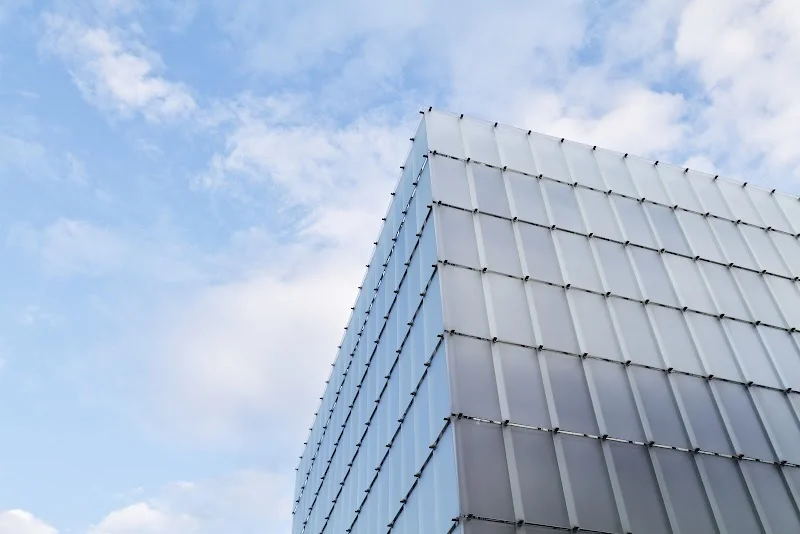
The Kunsthaus Bregenz is one of the most prominent addresses for contemporary art on Lake Constance – centrally located at Karl-Tizian-Platz, just a few steps from Bregenz train station and the lakeshore. Visitors can expect light-filled spaces, a glass shell that makes the building shimmer differently depending on the time of day and season, as well as a program featuring internationally renowned artists. The glass and concrete icon was designed by Peter Zumthor and opened in 1997; since then, it has been not only an exhibition space but also an architectural attraction. Those traveling here benefit from clear opening hours (Tuesday to Sunday 10 AM–6 PM, Thursdays until 8 PM) and straightforward ticketing. Particularly popular: the KUB Night – on the first Thursday of every month, admission is free from 5 PM. For a comfortable journey, the entrance ticket on the day of the visit serves as a day ticket throughout the Vorarlberg transport network. This makes visiting the Kunsthaus both sustainable and relaxing – and the encounter with art and architecture a double experience.
Current Exhibitions and Opening Hours
If you are planning your visit, first check the current opening hours and the program. The Kunsthaus Bregenz is open from Tuesday to Sunday from 10 AM to 6 PM, and on Thursdays even until 8 PM. On certain holidays, special opening hours apply; on December 31, the building is closed, on January 1 it opens from 2 PM to 6 PM, and other holidays are indicated with regular times. A highlight in the calendar is the KUB Night: On the first Thursday of every month, admission is free from 5 PM – an invitation to discover art after work, experience the atmosphere of the glass architecture at dusk, and conclude the evening with a walk by the lake. The exhibition program is internationally oriented and changes in clearly structured cycles. For the period from late 2025 to January 18, 2026, the official program includes an exhibition that focuses on authorship, visibility, and artistic identity. Through the event calendar and the program sections of the house, visitors learn which works are currently on display, whether guided tours, workshops, or performances are taking place, and how the individual levels of the building – from the ground floor foyer to the three upper floors – change in the context of the respective exhibition. Since the KUB is designed as a daylight museum, it is worth considering the time of day: In the morning and afternoon, the intensity of natural light changes, giving the works different moods. Those who want to plan in peace can book their ticket online, check the holiday notices, and use the telephone availability of the ticket office on weekends if needed. This allows for perfect combinations of travel time, museum visit, and a detour to Lake Constance.
Architecture by Peter Zumthor: Daylight, Glass Facade, Spatial Concept
The architecture of the Kunsthaus is itself an attraction: Peter Zumthor designed a building that is committed to the actual purpose of a museum – to be a place for art and a place where people can encounter art in peace. The construction was realized between 1994 and 1997; in 1998, the Kunsthaus received the Mies van der Rohe Award for European Architecture, and Zumthor himself was awarded the Pritzker Prize in 2009. The building measures approximately 26.57 × 26.57 × 30 meters and has a volume of around 28,000 cubic meters; it is designed as a daylight museum. The self-supporting glass facade consists of 712 etched glass panels (each approximately 1.72 × 2.93 m) and forms an independent shell in front of the thermal inner facade – between the two lies a gap of about 90 cm. This double skin acts like a light machine: The sky light is first captured by the satin-finished outer skin, conducted through the air space, and filtered through window bands and the daylight ceilings above onto the exhibition levels. There, 705 glass panels of the ceilings (235 per floor) provide uniform, glare-free illumination; depending on the need, a finely controllable, specially developed artificial lighting installation complements the natural light without distorting its character. The load-bearing structure of the house is located inside: Three vertical, approximately 72 cm thick walls made of exposed concrete run through all levels and take on the load-bearing function. This keeps the exhibition halls free of supports; technology, access, and infrastructure are integrated into the concrete cores. Together with the robust, joint-free terrazzo floors and a precise joint pattern, a calm, focused atmosphere is created that does not overshadow but supports the art. The glass facade itself glows in the evening when spotlights in the gap make the building appear as a quiet lantern by the lakeshore. Outside, the strict geometry corresponds with the public space: Karl-Tizian-Platz connects the KUB with the Vorarlberg Museum, the lake, and the city. In a separate part of the building, administration and a café are housed – a clear functional separation that allows the exhibition building to focus on its task.
Floor Plan, Section, and Details: Three Upper Floors of 450 m² Each
The internal organization of the KUB is simple and consistent. Above the transparent, almost 500 m² large ground floor – foyer, ticket office, shop, and exhibition space – rise three identical exhibition levels of approximately 450 m² each. In the floor plan and section, the architectural principles are evident: The three massive exposed concrete walls rhythmically organize the space, while the outer glass wall is decoupled as a freestanding shell. The ceilings are designed as robust reinforced concrete slabs; the loads are conducted through the cores, creating wide-spanned, support-free halls that can accommodate large installations, expansive sculptures, or subtle hangings alike. The daylight ceilings – made of square, etched glass panels – are suspended from thin steel rods; their edges remain unconnected, allowing the surface to appear as a floating, lightly vibrating light carpet. This material choreography – glass, concrete, steel, terrazzo – together with the filtered light creates a rare calm. For exhibition makers and artists, the precise neutrality of the spaces is a gift: It provides a reliable starting point from which each presentation can be rethought. In practice, this means that visitor flow per level remains intuitive and free; there is no fixed seating arrangement, no rigid line of sight. Instead of a hall plan, the clear geometries assist with orientation; the staircase provides a direct visual connection between the floors, and the elevator makes all levels accessible without barriers. In the 1st basement, a flexible lecture and workshop area offers additional possibilities for screenings, discussions, and educational formats. For events, a mobile stage, sound system, microphones, projector, and screen are available. Thus, the KUB – as far as compatible with the exhibition operation – is also suitable for receptions, award ceremonies, or presentations that benefit from the architectural setting without disturbing its calm. Those with an eye for detail will also notice how the outer skin reacts to weather changes: The etched panes capture the spectrum of the sky, and the facade is literally animated by natural light – an effect that few photos can fully capture.
Access & Parking at Kunsthaus Bregenz
The location is one of the strengths of the KUB: Between the city center, lake, and train station, the building can be easily reached on foot, by bus and train, or by bicycle along the Lake Constance cycle path. Particularly convenient: The museum ticket is valid on the day of the visit as a day ticket throughout the Vorarlberg transport network (VVV) – so you can organize your arrival and departure with public transport at no additional cost. Those arriving by train can get off at Bregenz station or at the Bregenz Hafen station and reach Karl-Tizian-Platz in a few minutes. For arrival by ship, the docking points of Vorarlberg Lines are directly opposite. Arriving by car is also possible; however, the KUB does not have its own parking spaces. In the immediate vicinity, paid parking spaces and underground garages are available, which are indicated by the city’s parking guidance system. For visitors with longer stays, the large marked parking lots and garages in the city area are recommended. Important for the time until spring 2026: Due to the final construction phase around the new Bregenz bathing area, there are temporarily fewer parking spaces available directly by the lake – please use the marked alternatives or utilize train/bus. The city and Bregenz Tourism point to alternative options such as the Seestadt area, parking lot West, and other marked parking spaces; electronic displays in the city show available spaces in real-time. Those who want to remain flexible can use mobile parking apps that are supported in Bregenz. There are designated parking spaces for buses, and special notices apply for motorhomes: Overnight stays are only allowed at campsites; short-term parking is possible in designated areas, but camping-like behavior in public spaces is prohibited. Regardless of the mode of transport, the recommendation remains: If possible, travel by bus and train – quickly, stress-free, and sustainably. On-site, clear pathways lead to the entrance; the space in front of the building offers an unobstructed view of the glass facade and the changing light mood of Lake Constance.
Tickets, KUB Night & Visitor Service
Purchasing tickets is straightforward: Online, time slots and guided tours can be booked in advance; alternatively, the ticket office on-site is also available on weekends. The regular admission fee is € 14, reduced € 12; visitors aged 20 to 27 pay € 8. For regular guests, the annual ticket is € 56 (reduced € 48). A special feature is the KUB Night: On the first Thursday of every month, admission is free from 5 PM – ideal for a spontaneous cultural evening. In addition, the visitor service offers tours for groups, schools, and individual inquiries that explore the house according to the exhibition content and architecture. Accessibility is practically implemented: The entrance has a bell in case the double door is difficult to open; the team assists immediately. An elevator provides access to all levels; seating and a wheelchair are available. Toilets are located in the 1st basement, and the cloakroom is on the ground floor. Those planning an event will find flexible conditions at the KUB: The foyer on the ground floor is suitable for receptions and presentations, the upper floors for special setups in dialogue with the art (as far as compatible with the exhibition operation), and the lecture room in the basement allows for screenings, talks, or workshops. Technical equipment is provided – from stage and podium to sound system and wireless microphones to projector, screen, and controllable ceiling lighting. Culinary offerings are expanded by the KUB Café Bar at the square: It is a meeting point for breakfast, coffee, cake, or cocktails after the exhibition visit; the gastronomic team can also accompany events in the house upon request. Quite practically: With the museum ticket, visitors can use public transport of the VVV on the day of their visit – a service that reduces planning and travel costs and is environmentally friendly.
History and Highlights Since 1997
When the Kunsthaus Bregenz opened in 1997, it set new standards for the interplay of architecture and curatorial openness. Peter Zumthor's concept aimed for both presence and restraint: The building shows character but remains discreet as a stage for art. This attitude is reflected in numerous details – from the double skin of the facade to the integrated building technology in the concrete to the strict geometry. The KUB quickly gained international attention; in 1998, it received the Mies van der Rohe Award for European Architecture. The honesty of materials – exposed concrete, steel, glass, terrazzo – and the precise light management made the building a reference point for daylight museums. The technical specifications underscore the consistency: 3,340 m² of floor space, three identical exhibition levels of approximately 450 m² each, 705 glass panels in the daylight ceilings, 712 etched outer panels in the facade, three 72 cm thick concrete walls as load-bearing structure. The air gap of about 90 cm between the outer and inner shell serves maintenance, climate buffering, and evening staging: Light installed in the gap makes the building shimmer twilight blue. In a separate building, administration and café are housed – a decision that relieves the exhibition building from everyday operations. At the same time, Karl-Tizian-Platz anchors the ensemble in the urban space. Content-wise, the KUB is known for pointed exhibitions that offer artists generous yet precise spaces – including the possibility to work site-specifically. The program includes monographic presentations as well as thematic projects, often with specially produced works. For the Vorarlberg region, the building is a cultural lighthouse; for travelers along Lake Constance, it is a worthwhile detour that can be combined with a city or nature walk. The KUB's serious approach to its audience is evident in its educational program for schools and adults, as well as in service offerings such as the KUB Night and cooperation with the VVV. Those who love architecture will recognize in the KUB not just a museum but a precisely composed instrument – tuned to light, material, and time.
Sources:
Mehr anzeigenWeniger anzeigen
Kunsthaus Bregenz | Opening Hours & Current Exhibition
The Kunsthaus Bregenz is one of the most prominent addresses for contemporary art on Lake Constance – centrally located at Karl-Tizian-Platz, just a few steps from Bregenz train station and the lakeshore. Visitors can expect light-filled spaces, a glass shell that makes the building shimmer differently depending on the time of day and season, as well as a program featuring internationally renowned artists. The glass and concrete icon was designed by Peter Zumthor and opened in 1997; since then, it has been not only an exhibition space but also an architectural attraction. Those traveling here benefit from clear opening hours (Tuesday to Sunday 10 AM–6 PM, Thursdays until 8 PM) and straightforward ticketing. Particularly popular: the KUB Night – on the first Thursday of every month, admission is free from 5 PM. For a comfortable journey, the entrance ticket on the day of the visit serves as a day ticket throughout the Vorarlberg transport network. This makes visiting the Kunsthaus both sustainable and relaxing – and the encounter with art and architecture a double experience.
Current Exhibitions and Opening Hours
If you are planning your visit, first check the current opening hours and the program. The Kunsthaus Bregenz is open from Tuesday to Sunday from 10 AM to 6 PM, and on Thursdays even until 8 PM. On certain holidays, special opening hours apply; on December 31, the building is closed, on January 1 it opens from 2 PM to 6 PM, and other holidays are indicated with regular times. A highlight in the calendar is the KUB Night: On the first Thursday of every month, admission is free from 5 PM – an invitation to discover art after work, experience the atmosphere of the glass architecture at dusk, and conclude the evening with a walk by the lake. The exhibition program is internationally oriented and changes in clearly structured cycles. For the period from late 2025 to January 18, 2026, the official program includes an exhibition that focuses on authorship, visibility, and artistic identity. Through the event calendar and the program sections of the house, visitors learn which works are currently on display, whether guided tours, workshops, or performances are taking place, and how the individual levels of the building – from the ground floor foyer to the three upper floors – change in the context of the respective exhibition. Since the KUB is designed as a daylight museum, it is worth considering the time of day: In the morning and afternoon, the intensity of natural light changes, giving the works different moods. Those who want to plan in peace can book their ticket online, check the holiday notices, and use the telephone availability of the ticket office on weekends if needed. This allows for perfect combinations of travel time, museum visit, and a detour to Lake Constance.
Architecture by Peter Zumthor: Daylight, Glass Facade, Spatial Concept
The architecture of the Kunsthaus is itself an attraction: Peter Zumthor designed a building that is committed to the actual purpose of a museum – to be a place for art and a place where people can encounter art in peace. The construction was realized between 1994 and 1997; in 1998, the Kunsthaus received the Mies van der Rohe Award for European Architecture, and Zumthor himself was awarded the Pritzker Prize in 2009. The building measures approximately 26.57 × 26.57 × 30 meters and has a volume of around 28,000 cubic meters; it is designed as a daylight museum. The self-supporting glass facade consists of 712 etched glass panels (each approximately 1.72 × 2.93 m) and forms an independent shell in front of the thermal inner facade – between the two lies a gap of about 90 cm. This double skin acts like a light machine: The sky light is first captured by the satin-finished outer skin, conducted through the air space, and filtered through window bands and the daylight ceilings above onto the exhibition levels. There, 705 glass panels of the ceilings (235 per floor) provide uniform, glare-free illumination; depending on the need, a finely controllable, specially developed artificial lighting installation complements the natural light without distorting its character. The load-bearing structure of the house is located inside: Three vertical, approximately 72 cm thick walls made of exposed concrete run through all levels and take on the load-bearing function. This keeps the exhibition halls free of supports; technology, access, and infrastructure are integrated into the concrete cores. Together with the robust, joint-free terrazzo floors and a precise joint pattern, a calm, focused atmosphere is created that does not overshadow but supports the art. The glass facade itself glows in the evening when spotlights in the gap make the building appear as a quiet lantern by the lakeshore. Outside, the strict geometry corresponds with the public space: Karl-Tizian-Platz connects the KUB with the Vorarlberg Museum, the lake, and the city. In a separate part of the building, administration and a café are housed – a clear functional separation that allows the exhibition building to focus on its task.
Floor Plan, Section, and Details: Three Upper Floors of 450 m² Each
The internal organization of the KUB is simple and consistent. Above the transparent, almost 500 m² large ground floor – foyer, ticket office, shop, and exhibition space – rise three identical exhibition levels of approximately 450 m² each. In the floor plan and section, the architectural principles are evident: The three massive exposed concrete walls rhythmically organize the space, while the outer glass wall is decoupled as a freestanding shell. The ceilings are designed as robust reinforced concrete slabs; the loads are conducted through the cores, creating wide-spanned, support-free halls that can accommodate large installations, expansive sculptures, or subtle hangings alike. The daylight ceilings – made of square, etched glass panels – are suspended from thin steel rods; their edges remain unconnected, allowing the surface to appear as a floating, lightly vibrating light carpet. This material choreography – glass, concrete, steel, terrazzo – together with the filtered light creates a rare calm. For exhibition makers and artists, the precise neutrality of the spaces is a gift: It provides a reliable starting point from which each presentation can be rethought. In practice, this means that visitor flow per level remains intuitive and free; there is no fixed seating arrangement, no rigid line of sight. Instead of a hall plan, the clear geometries assist with orientation; the staircase provides a direct visual connection between the floors, and the elevator makes all levels accessible without barriers. In the 1st basement, a flexible lecture and workshop area offers additional possibilities for screenings, discussions, and educational formats. For events, a mobile stage, sound system, microphones, projector, and screen are available. Thus, the KUB – as far as compatible with the exhibition operation – is also suitable for receptions, award ceremonies, or presentations that benefit from the architectural setting without disturbing its calm. Those with an eye for detail will also notice how the outer skin reacts to weather changes: The etched panes capture the spectrum of the sky, and the facade is literally animated by natural light – an effect that few photos can fully capture.
Access & Parking at Kunsthaus Bregenz
The location is one of the strengths of the KUB: Between the city center, lake, and train station, the building can be easily reached on foot, by bus and train, or by bicycle along the Lake Constance cycle path. Particularly convenient: The museum ticket is valid on the day of the visit as a day ticket throughout the Vorarlberg transport network (VVV) – so you can organize your arrival and departure with public transport at no additional cost. Those arriving by train can get off at Bregenz station or at the Bregenz Hafen station and reach Karl-Tizian-Platz in a few minutes. For arrival by ship, the docking points of Vorarlberg Lines are directly opposite. Arriving by car is also possible; however, the KUB does not have its own parking spaces. In the immediate vicinity, paid parking spaces and underground garages are available, which are indicated by the city’s parking guidance system. For visitors with longer stays, the large marked parking lots and garages in the city area are recommended. Important for the time until spring 2026: Due to the final construction phase around the new Bregenz bathing area, there are temporarily fewer parking spaces available directly by the lake – please use the marked alternatives or utilize train/bus. The city and Bregenz Tourism point to alternative options such as the Seestadt area, parking lot West, and other marked parking spaces; electronic displays in the city show available spaces in real-time. Those who want to remain flexible can use mobile parking apps that are supported in Bregenz. There are designated parking spaces for buses, and special notices apply for motorhomes: Overnight stays are only allowed at campsites; short-term parking is possible in designated areas, but camping-like behavior in public spaces is prohibited. Regardless of the mode of transport, the recommendation remains: If possible, travel by bus and train – quickly, stress-free, and sustainably. On-site, clear pathways lead to the entrance; the space in front of the building offers an unobstructed view of the glass facade and the changing light mood of Lake Constance.
Tickets, KUB Night & Visitor Service
Purchasing tickets is straightforward: Online, time slots and guided tours can be booked in advance; alternatively, the ticket office on-site is also available on weekends. The regular admission fee is € 14, reduced € 12; visitors aged 20 to 27 pay € 8. For regular guests, the annual ticket is € 56 (reduced € 48). A special feature is the KUB Night: On the first Thursday of every month, admission is free from 5 PM – ideal for a spontaneous cultural evening. In addition, the visitor service offers tours for groups, schools, and individual inquiries that explore the house according to the exhibition content and architecture. Accessibility is practically implemented: The entrance has a bell in case the double door is difficult to open; the team assists immediately. An elevator provides access to all levels; seating and a wheelchair are available. Toilets are located in the 1st basement, and the cloakroom is on the ground floor. Those planning an event will find flexible conditions at the KUB: The foyer on the ground floor is suitable for receptions and presentations, the upper floors for special setups in dialogue with the art (as far as compatible with the exhibition operation), and the lecture room in the basement allows for screenings, talks, or workshops. Technical equipment is provided – from stage and podium to sound system and wireless microphones to projector, screen, and controllable ceiling lighting. Culinary offerings are expanded by the KUB Café Bar at the square: It is a meeting point for breakfast, coffee, cake, or cocktails after the exhibition visit; the gastronomic team can also accompany events in the house upon request. Quite practically: With the museum ticket, visitors can use public transport of the VVV on the day of their visit – a service that reduces planning and travel costs and is environmentally friendly.
History and Highlights Since 1997
When the Kunsthaus Bregenz opened in 1997, it set new standards for the interplay of architecture and curatorial openness. Peter Zumthor's concept aimed for both presence and restraint: The building shows character but remains discreet as a stage for art. This attitude is reflected in numerous details – from the double skin of the facade to the integrated building technology in the concrete to the strict geometry. The KUB quickly gained international attention; in 1998, it received the Mies van der Rohe Award for European Architecture. The honesty of materials – exposed concrete, steel, glass, terrazzo – and the precise light management made the building a reference point for daylight museums. The technical specifications underscore the consistency: 3,340 m² of floor space, three identical exhibition levels of approximately 450 m² each, 705 glass panels in the daylight ceilings, 712 etched outer panels in the facade, three 72 cm thick concrete walls as load-bearing structure. The air gap of about 90 cm between the outer and inner shell serves maintenance, climate buffering, and evening staging: Light installed in the gap makes the building shimmer twilight blue. In a separate building, administration and café are housed – a decision that relieves the exhibition building from everyday operations. At the same time, Karl-Tizian-Platz anchors the ensemble in the urban space. Content-wise, the KUB is known for pointed exhibitions that offer artists generous yet precise spaces – including the possibility to work site-specifically. The program includes monographic presentations as well as thematic projects, often with specially produced works. For the Vorarlberg region, the building is a cultural lighthouse; for travelers along Lake Constance, it is a worthwhile detour that can be combined with a city or nature walk. The KUB's serious approach to its audience is evident in its educational program for schools and adults, as well as in service offerings such as the KUB Night and cooperation with the VVV. Those who love architecture will recognize in the KUB not just a museum but a precisely composed instrument – tuned to light, material, and time.
Sources:
Kunsthaus Bregenz | Opening Hours & Current Exhibition
The Kunsthaus Bregenz is one of the most prominent addresses for contemporary art on Lake Constance – centrally located at Karl-Tizian-Platz, just a few steps from Bregenz train station and the lakeshore. Visitors can expect light-filled spaces, a glass shell that makes the building shimmer differently depending on the time of day and season, as well as a program featuring internationally renowned artists. The glass and concrete icon was designed by Peter Zumthor and opened in 1997; since then, it has been not only an exhibition space but also an architectural attraction. Those traveling here benefit from clear opening hours (Tuesday to Sunday 10 AM–6 PM, Thursdays until 8 PM) and straightforward ticketing. Particularly popular: the KUB Night – on the first Thursday of every month, admission is free from 5 PM. For a comfortable journey, the entrance ticket on the day of the visit serves as a day ticket throughout the Vorarlberg transport network. This makes visiting the Kunsthaus both sustainable and relaxing – and the encounter with art and architecture a double experience.
Current Exhibitions and Opening Hours
If you are planning your visit, first check the current opening hours and the program. The Kunsthaus Bregenz is open from Tuesday to Sunday from 10 AM to 6 PM, and on Thursdays even until 8 PM. On certain holidays, special opening hours apply; on December 31, the building is closed, on January 1 it opens from 2 PM to 6 PM, and other holidays are indicated with regular times. A highlight in the calendar is the KUB Night: On the first Thursday of every month, admission is free from 5 PM – an invitation to discover art after work, experience the atmosphere of the glass architecture at dusk, and conclude the evening with a walk by the lake. The exhibition program is internationally oriented and changes in clearly structured cycles. For the period from late 2025 to January 18, 2026, the official program includes an exhibition that focuses on authorship, visibility, and artistic identity. Through the event calendar and the program sections of the house, visitors learn which works are currently on display, whether guided tours, workshops, or performances are taking place, and how the individual levels of the building – from the ground floor foyer to the three upper floors – change in the context of the respective exhibition. Since the KUB is designed as a daylight museum, it is worth considering the time of day: In the morning and afternoon, the intensity of natural light changes, giving the works different moods. Those who want to plan in peace can book their ticket online, check the holiday notices, and use the telephone availability of the ticket office on weekends if needed. This allows for perfect combinations of travel time, museum visit, and a detour to Lake Constance.
Architecture by Peter Zumthor: Daylight, Glass Facade, Spatial Concept
The architecture of the Kunsthaus is itself an attraction: Peter Zumthor designed a building that is committed to the actual purpose of a museum – to be a place for art and a place where people can encounter art in peace. The construction was realized between 1994 and 1997; in 1998, the Kunsthaus received the Mies van der Rohe Award for European Architecture, and Zumthor himself was awarded the Pritzker Prize in 2009. The building measures approximately 26.57 × 26.57 × 30 meters and has a volume of around 28,000 cubic meters; it is designed as a daylight museum. The self-supporting glass facade consists of 712 etched glass panels (each approximately 1.72 × 2.93 m) and forms an independent shell in front of the thermal inner facade – between the two lies a gap of about 90 cm. This double skin acts like a light machine: The sky light is first captured by the satin-finished outer skin, conducted through the air space, and filtered through window bands and the daylight ceilings above onto the exhibition levels. There, 705 glass panels of the ceilings (235 per floor) provide uniform, glare-free illumination; depending on the need, a finely controllable, specially developed artificial lighting installation complements the natural light without distorting its character. The load-bearing structure of the house is located inside: Three vertical, approximately 72 cm thick walls made of exposed concrete run through all levels and take on the load-bearing function. This keeps the exhibition halls free of supports; technology, access, and infrastructure are integrated into the concrete cores. Together with the robust, joint-free terrazzo floors and a precise joint pattern, a calm, focused atmosphere is created that does not overshadow but supports the art. The glass facade itself glows in the evening when spotlights in the gap make the building appear as a quiet lantern by the lakeshore. Outside, the strict geometry corresponds with the public space: Karl-Tizian-Platz connects the KUB with the Vorarlberg Museum, the lake, and the city. In a separate part of the building, administration and a café are housed – a clear functional separation that allows the exhibition building to focus on its task.
Floor Plan, Section, and Details: Three Upper Floors of 450 m² Each
The internal organization of the KUB is simple and consistent. Above the transparent, almost 500 m² large ground floor – foyer, ticket office, shop, and exhibition space – rise three identical exhibition levels of approximately 450 m² each. In the floor plan and section, the architectural principles are evident: The three massive exposed concrete walls rhythmically organize the space, while the outer glass wall is decoupled as a freestanding shell. The ceilings are designed as robust reinforced concrete slabs; the loads are conducted through the cores, creating wide-spanned, support-free halls that can accommodate large installations, expansive sculptures, or subtle hangings alike. The daylight ceilings – made of square, etched glass panels – are suspended from thin steel rods; their edges remain unconnected, allowing the surface to appear as a floating, lightly vibrating light carpet. This material choreography – glass, concrete, steel, terrazzo – together with the filtered light creates a rare calm. For exhibition makers and artists, the precise neutrality of the spaces is a gift: It provides a reliable starting point from which each presentation can be rethought. In practice, this means that visitor flow per level remains intuitive and free; there is no fixed seating arrangement, no rigid line of sight. Instead of a hall plan, the clear geometries assist with orientation; the staircase provides a direct visual connection between the floors, and the elevator makes all levels accessible without barriers. In the 1st basement, a flexible lecture and workshop area offers additional possibilities for screenings, discussions, and educational formats. For events, a mobile stage, sound system, microphones, projector, and screen are available. Thus, the KUB – as far as compatible with the exhibition operation – is also suitable for receptions, award ceremonies, or presentations that benefit from the architectural setting without disturbing its calm. Those with an eye for detail will also notice how the outer skin reacts to weather changes: The etched panes capture the spectrum of the sky, and the facade is literally animated by natural light – an effect that few photos can fully capture.
Access & Parking at Kunsthaus Bregenz
The location is one of the strengths of the KUB: Between the city center, lake, and train station, the building can be easily reached on foot, by bus and train, or by bicycle along the Lake Constance cycle path. Particularly convenient: The museum ticket is valid on the day of the visit as a day ticket throughout the Vorarlberg transport network (VVV) – so you can organize your arrival and departure with public transport at no additional cost. Those arriving by train can get off at Bregenz station or at the Bregenz Hafen station and reach Karl-Tizian-Platz in a few minutes. For arrival by ship, the docking points of Vorarlberg Lines are directly opposite. Arriving by car is also possible; however, the KUB does not have its own parking spaces. In the immediate vicinity, paid parking spaces and underground garages are available, which are indicated by the city’s parking guidance system. For visitors with longer stays, the large marked parking lots and garages in the city area are recommended. Important for the time until spring 2026: Due to the final construction phase around the new Bregenz bathing area, there are temporarily fewer parking spaces available directly by the lake – please use the marked alternatives or utilize train/bus. The city and Bregenz Tourism point to alternative options such as the Seestadt area, parking lot West, and other marked parking spaces; electronic displays in the city show available spaces in real-time. Those who want to remain flexible can use mobile parking apps that are supported in Bregenz. There are designated parking spaces for buses, and special notices apply for motorhomes: Overnight stays are only allowed at campsites; short-term parking is possible in designated areas, but camping-like behavior in public spaces is prohibited. Regardless of the mode of transport, the recommendation remains: If possible, travel by bus and train – quickly, stress-free, and sustainably. On-site, clear pathways lead to the entrance; the space in front of the building offers an unobstructed view of the glass facade and the changing light mood of Lake Constance.
Tickets, KUB Night & Visitor Service
Purchasing tickets is straightforward: Online, time slots and guided tours can be booked in advance; alternatively, the ticket office on-site is also available on weekends. The regular admission fee is € 14, reduced € 12; visitors aged 20 to 27 pay € 8. For regular guests, the annual ticket is € 56 (reduced € 48). A special feature is the KUB Night: On the first Thursday of every month, admission is free from 5 PM – ideal for a spontaneous cultural evening. In addition, the visitor service offers tours for groups, schools, and individual inquiries that explore the house according to the exhibition content and architecture. Accessibility is practically implemented: The entrance has a bell in case the double door is difficult to open; the team assists immediately. An elevator provides access to all levels; seating and a wheelchair are available. Toilets are located in the 1st basement, and the cloakroom is on the ground floor. Those planning an event will find flexible conditions at the KUB: The foyer on the ground floor is suitable for receptions and presentations, the upper floors for special setups in dialogue with the art (as far as compatible with the exhibition operation), and the lecture room in the basement allows for screenings, talks, or workshops. Technical equipment is provided – from stage and podium to sound system and wireless microphones to projector, screen, and controllable ceiling lighting. Culinary offerings are expanded by the KUB Café Bar at the square: It is a meeting point for breakfast, coffee, cake, or cocktails after the exhibition visit; the gastronomic team can also accompany events in the house upon request. Quite practically: With the museum ticket, visitors can use public transport of the VVV on the day of their visit – a service that reduces planning and travel costs and is environmentally friendly.
History and Highlights Since 1997
When the Kunsthaus Bregenz opened in 1997, it set new standards for the interplay of architecture and curatorial openness. Peter Zumthor's concept aimed for both presence and restraint: The building shows character but remains discreet as a stage for art. This attitude is reflected in numerous details – from the double skin of the facade to the integrated building technology in the concrete to the strict geometry. The KUB quickly gained international attention; in 1998, it received the Mies van der Rohe Award for European Architecture. The honesty of materials – exposed concrete, steel, glass, terrazzo – and the precise light management made the building a reference point for daylight museums. The technical specifications underscore the consistency: 3,340 m² of floor space, three identical exhibition levels of approximately 450 m² each, 705 glass panels in the daylight ceilings, 712 etched outer panels in the facade, three 72 cm thick concrete walls as load-bearing structure. The air gap of about 90 cm between the outer and inner shell serves maintenance, climate buffering, and evening staging: Light installed in the gap makes the building shimmer twilight blue. In a separate building, administration and café are housed – a decision that relieves the exhibition building from everyday operations. At the same time, Karl-Tizian-Platz anchors the ensemble in the urban space. Content-wise, the KUB is known for pointed exhibitions that offer artists generous yet precise spaces – including the possibility to work site-specifically. The program includes monographic presentations as well as thematic projects, often with specially produced works. For the Vorarlberg region, the building is a cultural lighthouse; for travelers along Lake Constance, it is a worthwhile detour that can be combined with a city or nature walk. The KUB's serious approach to its audience is evident in its educational program for schools and adults, as well as in service offerings such as the KUB Night and cooperation with the VVV. Those who love architecture will recognize in the KUB not just a museum but a precisely composed instrument – tuned to light, material, and time.
Sources:
Upcoming Events
No events found
Frequently Asked Questions
Reviews
Max Reuter
1. November 2025
All the artworks are visible in the pictures. Everyone can decide for themselves whether they like this kind of art. The building is beautiful. It's not a museum, at least not for me. When I asked the museum supervisor on the top floor if there was anything else to see besides these three rooms, she just chuckled and said, "No, that's the highlight," pointing at the tin box and visibly trying not to laugh. Addendum: In the entrance hall, there is a printer standing in the middle of the room. This also represents a part of the overall artwork, so not all artworks are visible in the pictures. Tip: In the basement, a video about the exhibits is shown. You can watch that first and then decide if you want to spend 14 euros on it. The artwork has an anti-capitalist character. One might wonder if this statement seems a bit contradictory given such a high entrance fee.
Marko Fink
20. August 2025
The Kunsthaus Bregenz is truly a great travel destination – we participated in the family pass action "Destination Museum"... The exhibitions are exciting and varied, so there's something for everyone. We especially loved the craft and hands-on activities for kids – the little ones can get creative. The museum is modern, well-organized, and you feel welcome right away. A fantastic place to experience culture with the whole family!
Katrin P
1. August 2025
Unfortunately, we didn't like the Kunsthaus. There are only 3 floors. Each floor has maybe 4 objects hanging. So, it doesn't add up to much and we were done in 30 minutes. Each floor has works by the same artist. Since we didn't like his works, we naturally went through quickly.
Sabine Wizemann
30. December 2025
The artist who created the parasitic house truly has valid reasons to remain anonymous. Or does he just want to play a little joke on art enthusiasts? If so, then the parody has succeeded. However: The tiny house is only functional in theory. Making coffee is prohibited for safety reasons, the sink is leaking and should no longer be used. No one has showered there yet - I asked the amused staff. Furthermore, there is a warning in front of the house due to acute injury risk (sharp edges). But it's supposed to be given away in January... Personally, I would expand it to include a sauna area - a small wooden bucket with a ladle would be completely sufficient according to the existing concept. On the second floor, the view of a few pipes in the ceiling in the otherwise empty room is a must for any aesthetic. It's just a pity that this first of May joke costs 14 euros to enter. Dear KUB team, thank you for your response to my review. I appreciate this commitment - it's not something you take for granted. Still, a few thoughts on this: The personal engagement with a work of art always happens, regardless of whether you know the name of the artist or not. Personal experiences, perspectives, and knowledge are always brought in, which lead to one's own interpretation and also influence whether one can appreciate a work of art or not. However, everything can also be taken to absurdity: I felt strongly reminded of Ephraim Kishon's satire "Pull the Plug, the Water is Boiling" in the exhibition. Reading this text is enjoyable - you don't have to share the conclusions. Greetings to Bregenz
Lukas Lorenz
14. December 2025
Oh stars. I've never seen such a ridiculous "exhibition" (if you can even call it that). Such a waste of 14 euros per person. We were there on December 14, 2025. Stay lasted less than 10 minutes. Tip: Just watch the free video in the basement – there's really nothing more to see in the museum. No wonder the artist wants to remain anonymous. What have I learned from this? Always check the museum's exhibition first before buying a ticket.