Cultural Education and Participation in Lindau
Cultural Education and Societal Discourse in Lindau: Program Preview 2026
In 2026, Lindau will focus on cultural education as a right to participation. Citywide formats are planned that bring together art, science, and civil society – inclusive, cross-border, and close to everyday life.
Goals 2026: From Vision to Practice
- Ensure participation: design cultural offerings to be low-cost, low-barrier, and multilingual.
- Create continuity: reliably anchor successful formats in school and all-day routines.
- Open spaces for discourse: enable public conversations, labs, and artistic interventions in urban spaces.
- Cross borders: expand cooperation in the four-country Lake Constance region.
- Measure impact: transparently evaluate quality, reach, and access.
Annual Schedule 2026: Formats and Focus Areas
First Quarter: Creating Access
- Open culture consultation: low-threshold advice on participation, fee waivers, and assistance.
- Multilingual culture info: compact online and print overviews in easy-to-understand language.
- Barrier checks: review of access, guidance systems, and digital tickets for accessibility.
Second Quarter: School, All-Day, and Cultural Institutions
- “Culture in the Curriculum”: multi-week series with museum, theater, and music in regular classes.
- All-day project modules: weekly music, dance, and theater workshops with final presentations.
- Training for teachers and cultural professionals: joint planning, feedback, and quality assurance.
Third Quarter: Urban Space as Stage
- Mobile studios: artistic workshops in neighborhoods, parks, and on the lakeside promenade.
- Discourse forums: moderated discussions on cohesion, diversity, and fair debate culture – accompanied by artistic impulses.
- Citizen science formats: creative data collection on climate, mobility, and urban nature, combined with artistic evaluation.
Fourth Quarter: Evaluating and Rethinking Together
- Participation report: results on reach, barriers, satisfaction, and learning progress.
- Quality dialogue: joint reflection with schools, culture, social organizations, and science.
- Program 2027: transferring proven formats into regular structures and planning new focus areas.
Participation and Inclusion: Concrete Measures
- Costs: tiered fees and free contingents for low-income households.
- Accessibility: coordination with public transport for suitable schedules at the start/end of events.
- Accessibility: offerings in German Sign Language, easy language, and with audio description.
- Outreach: co-design with young people, families, seniors, and self-advocacy groups.
- Support: cultural sponsorships, peer guides, and on-site assistance.
Cultural Education and Sustainability: Learning Outdoors
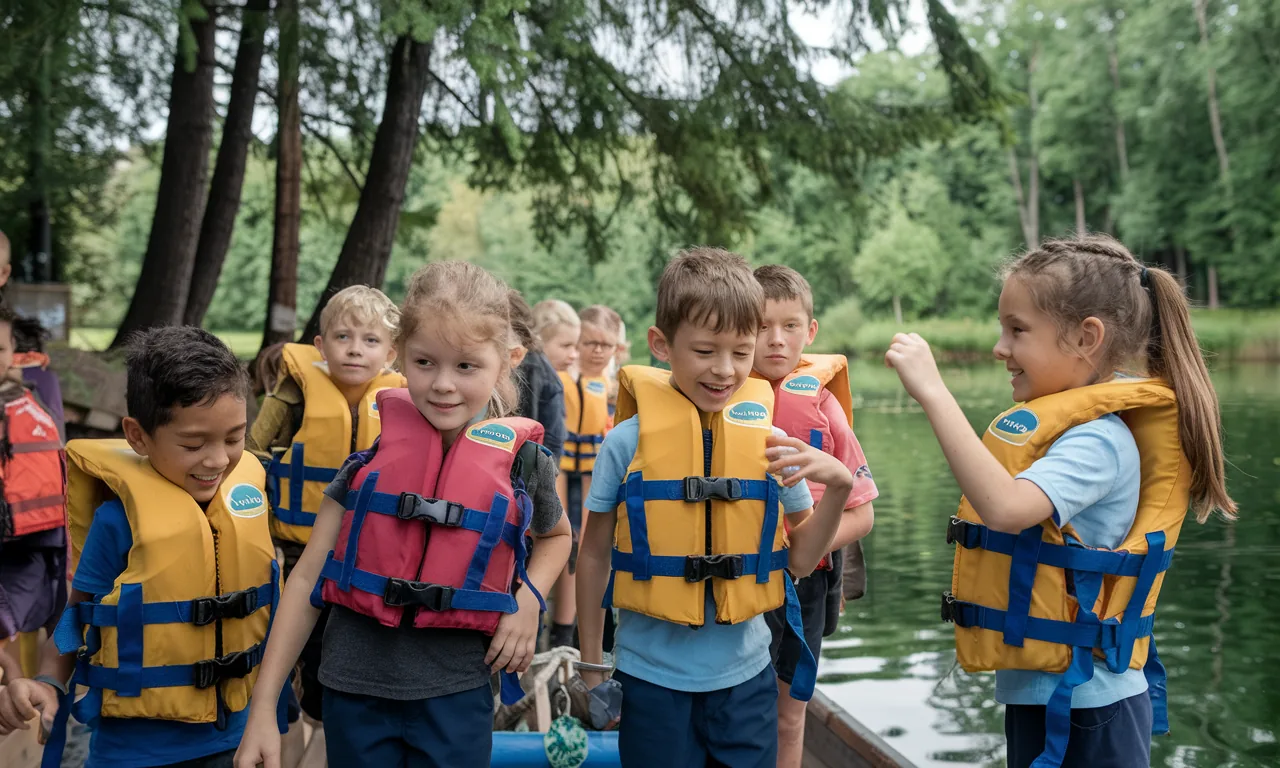
In 2026, aesthetic learning processes will be linked with education for sustainable development. Children and young people explore natural and urban spaces, draw, build installations from natural materials, and develop small performances. The formats promote perception, evaluation, and action – and strengthen a fact-based discourse on climate, biodiversity, and urban development.
Active in Old Age: Creative, Social, Healthy
- Creative series at a moderate pace, with good readability and accessible spaces.
- Group singing, writing, and theater with professional guidance.
- Intergenerational formats in which life stories are artistically processed with appreciation.
The offerings are explicitly aimed at people who have so far hardly used cultural activities and are implemented in cooperation with local social partners.
Four-Country Lake Constance Region: Across Borders
For 2026, cross-border cooperation with universities, cultural institutions, and civil society initiatives in the Lake Constance region is planned. The following are planned:
- Dialogue series on respectful debate culture and digital discourse.
- Music, dance, and theater projects as bridges between languages and generations.
- Joint labs on sustainability, data literacy, and artificial intelligence with participation from the urban community.
Ensuring Quality: Evaluation and Transparency
- Indicators: reach by target group, access barriers, participant satisfaction, learning and participation effects.
- Mixed methods: short feedback, focus groups, observations, participatory evaluation.
- Transparency: annual publication of key results and planned improvements.
- Continuity: consolidation of successful formats and reliable contacts in schools and culture.
Get Involved 2026: How to Get Started
- Registration: online and on-site with support; accessible registration options.
- Languages: information in several languages; support from language mediators as needed.
- Financing: discounts and fee waivers for eligible persons.
- Contact points: culture consultation hours in neighborhoods and educational venues.
Sources and Further Information
- UNESCO Road Map for Arts Education — Framework for cultural education (accessed 2025-12-31)
- UNESCO: Education for Sustainable Development (ESD) 2030 — Guidelines for linking education and sustainability (accessed 2025-12-31)
- Council for Cultural Education — Studies on participation, quality, and impact (accessed 2025-12-31)
- Standing Conference of the Ministers of Education and Cultural Affairs (KMK) — Guidance on all-day schooling and cooperation with cultural institutions (accessed 2025-12-31)
- WHO: What is the evidence on the role of the arts in improving health and well-being? — Scoping Review (accessed 2025-12-31)
- Federal Agency for Civic Education — Materials on democratic debate culture (accessed 2025-12-31)